





Zestaw obrazów 2019
zdjecie1.jpg
zdjecie2.jpg
zdjecie3.jpg
zdjecie4.jpg
zdjecie5.jpg
zdjecie6.jpg
2019_1.JPG
2019_2.JPG
2019_4.JPG

Gallery
 Fusion fuels produce four million times as much energy, per gram, as coal. It seems a surprising fact, given that the fuel seems so unassuming: hydrogen, the most common element in the universe, one of the main constituents of our own bodies.
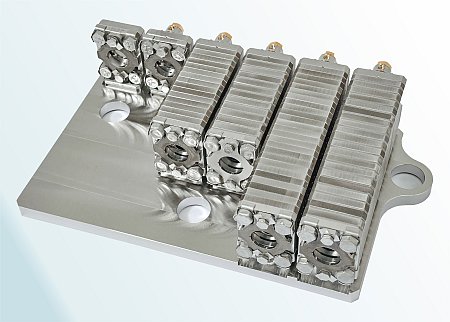 An international working group coordinated by Forschungszentrum Jülich has completed a new mirror system for the ITER fusion reactor – the next great leap in worldwide fusion research – and for its successors. The system referred to as a "mirror station" has shutters that open and close automatically to protect optical components from being contaminated by particle flows in the vacuum vessel. The researchers have been testing the practical applicability of the module in the USA since mid-March.
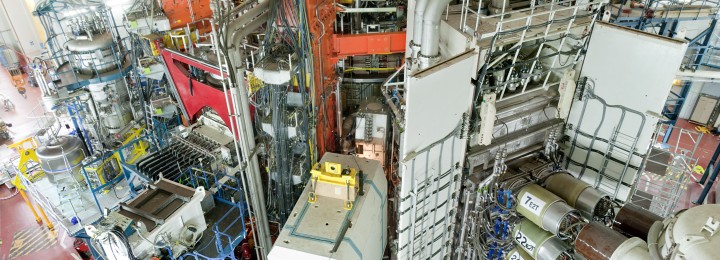 Since last week's report there has been good progress in implementing the new capabilities of JET. Neutral beam heating power has now reached 21MW and routinely and reliably operated at 16 to 18MW.
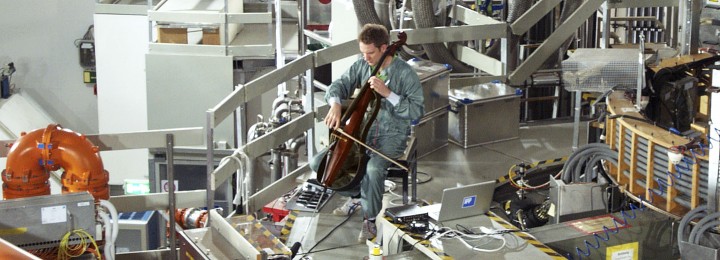
Magnetars are a rare type of neutron star. They have the highest known magnetic fields in the universe, which inspired Mexican composer Enrico Chapela to write a piece about them for electric cello.
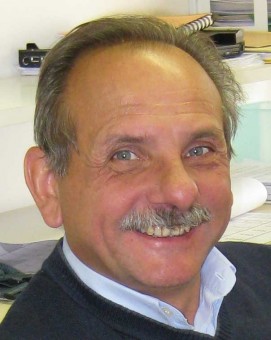 "I plan to focus my efforts on further integrating the research teams of the Polish Association with activities closely related to priorities of EFDA programme, in particular JET and DEMO. Special attention will be devoted to fostering the involvement of Poland in ITER construction through participation in F4E grants."


nsp_133.JPG)


nsp_133.JPG)


 |
 |
 |
 |
 |
 |
 |
 |
Media


Research projects carried out at the IPPLM are funded by the Polish Ministry of Education and Science, the National Science Centre and by the European Commission within the framework of EUROfusion Consortium under grant agreement No 101052200. Financial support comes also from the International Atomic Energy Agency, European Space Agency and LaserLab Consortium as well as from the Fusion for Energy Agency.