





Zestaw obrazów 2019
zdjecie1.jpg
zdjecie2.jpg
zdjecie3.jpg
zdjecie4.jpg
zdjecie5.jpg
zdjecie6.jpg
2019_1.JPG
2019_2.JPG
2019_4.JPG

Gallery
 The scientists from IFPiLM took part in the family picnic organized on Children’s Day in the gardens of Prime Minister’s Office. For the youngest participants of the picnic there were prepared physical jigsaws, puzzles, drawings, cut-outs and other activities. In the interactive displays it was possible to learn about the activity of plasma balls and the use of magnetic confinement devices.
During the picnic different promotional materials were handed out. It was prepared both by the Institute and Ministry of Development under the aegis of which the participation of IFPiLM was possible.
This year’s picnic ‘Children rule’ took place on 5th June and was opened by the Prime Minister Beata Szydło.
 On 7th May 2016 the Institute of Plasma Physics and Laser Microfusion participated in the jubilee 20th edition of the Scientific Picnic. The Institute scientists enthusiastically talked about nuclear fusion, magnetic confinement, plasma physics as well as the future of thermonuclear energy.
In the Institute stand you could touch plasma balls that responded both on touch and pulse air, set a levitating globe in magnetic field, and also make jigsaw displaying the chamber of fusion reactor and the reactor itself and receive some scientific comics as a prize.
The thing that attracted adult participants of the Picnic the most was a model presenting the future fusion power plants DEMO. The model is a part of the FusionExpo exhibition, the parts of which are displayed in the main hall of the Sylwester Kaliski Institute of Plasma Physics and Laser Microfusion.
The photos from the Scientific Picnic 2016 can be seen by clicking the section ‘Gallery’ on the homepage of www.ifpilm.pl.
 Trzy polskie instytucje naukowe pozyskały od Komisji Europejskiej łącznie blisko 3 mln euro na projekty związane z rozwojem energetyki jądrowej w regionie bałtyckim i wyszehradzkim. Naukowcy czekają na firmy gotowe do współpracy. Najbliższa okazja do jej nawiązania już 8 kwietnia podczas spotkania informacyjno-brokerskiego.
W programie badawczo-szkoleniowym Euratom Narodowe Centrum Badań Jądrowych, Instytut Podstawowych Problemów Fizyki PAN oraz Instytut Fizyki, Plazmy i Laserowej Mikrosyntezy im. Sylwestra Kaliskiego zdobyły w sumie 2,8 mln euro. Pieniądze pochodzą z Horyzontu 2020 – największego w historii Europy programu finansowania badań i innowacji, którego Euratom jest elementem.
"Uczestnictwo polskich podmiotów w konkursach dotyczących fizyki i chemii jądrowej oraz technologii jądrowych jest proporcjonalne do potencjału, jaki w tej dziedzinie badań naukowych po drugiej wojnie światowej Polska zgromadziła. Nie należy również zapominać, że większość krajów będących partnerami w składanych projektach ma działające elektrownie jądrowe, które w sposób naturalny sprzyjają powstaniu i rozwojowi silnego zaplecza badawczo-rozwojowego w obszarze jądrowym" - komentuje ekspert ds. programu Euroatom, energii i środowiska Aneta Maszewska z Krajowego Punktu Kontaktowego dla programu Horyzont 2020.
Polskie instytucje starały się w Euratomie o sfinansowanie 25 projektów realizowanych z udziałem zagranicznych partnerów. Dostały dotacje na pięć, trzy z nich realizuje Narodowe Centrum Badań Jądrowych. "Naszą strategią jest pozyskiwanie grantów na projekty związane z badaniami jądrowymi, które możemy realizować z partnerami z regionu. W ten sposób chcemy doprowadzić do stworzenia silnego eurobałtyckiego centrum badań" – mówi kierownik Działu Badań i Współpracy Międzynarodowej w NCBJ dr Jacek Gajewski.
Drogą do tego celu mają być m.in. Wyszehradzka Inicjatywa dla Współpracy Jądrowej - której NCBJ jest koordynatorem - oraz Inicjatywa Regionu Bałtyckiego na rzecz Innowacyjnych Technologii Jądrowych. To właśnie te projekty z udziałem NCBJ finansuje Euratom.
W pierwszym z nich polscy naukowcy zajmują się badaniami materiałowymi, które mają pomóc w rozwoju technologii jądrowych IV generacji z wykorzystaniem reaktorów chłodzonych gazami. W drugim projekcie Polacy włączą się w badania związane z budową elektrowni jądrowej w Visaginas na Litwie, tak by z nowej siłowni mógł skorzystać cały region.
Dzień informacyjny na temat Euratomu odbędzie się 8 kwietnia br. w siedzibie Krajowego Punktu Kontaktowego Programów Badawczych UE w Warszawie. To jedna z niewielu okazji do spotkań brokerskich przedstawicieli biznesu i nauki oraz do nawiązania współpracy.
Źródło: PAP - Nauka w Polsce
 The polish engineer magazine ‘Przegląd Techniczny’ (en. Technical Review) honoured Dr. Jacek Kurzyna, an experienced scientist of the IPPLM, with a title of ‘Gold Engineer 2015’. It was a credit for scientific achievements in the research of satellite plasma thrusters.
‘The world we came to live in is mostly a work of engineers’ – said the chief editor Ewa Mańkiewicz-Cudny when beginning the 22th edition of the Technical Review Readers’ Plebiscite.
‘We all are able to speak for all of us about important matters. By handing this statue we would like to appreciate the achievements of Polish Technique Authors – the chief editor Mańkiewicz-Cudny continued.
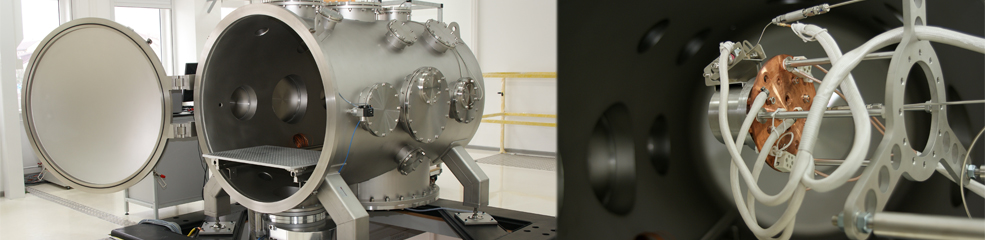
One of the most significant achievements of Dr. Jacek Kurzyna and his scientific team from the IPPLM was designing and constructing the first Polish prototype of Hall-type plasma thruster. The scientists of the Institute adapted the thruster to work with krypton that is several times cheaper inert fuel than xenon. This year, according to the schedule of the KLIMT project, the 3rd prototype version of the Hall plasma thruster was designed, constructed and launched. Currently initial tests are conducted in the PlaNS laboratory as a preparation to the measurement campaign, which began in February 2016 in the jet propulsion lab of the European Space Agency (ESA Propulsion Laboratory) in the Netherlands.
The participants of the celebration included scientists and engineers from various fields. Over 20 of them received awards and prizes. The representatives of a few Ministries and President’s Office also decided to grace them with their presence.
The celebration was held on 9th March 2016 in the Warsaw House of Technology (NOT) forming a part of the 150th anniversary of the Technical Review establishment.
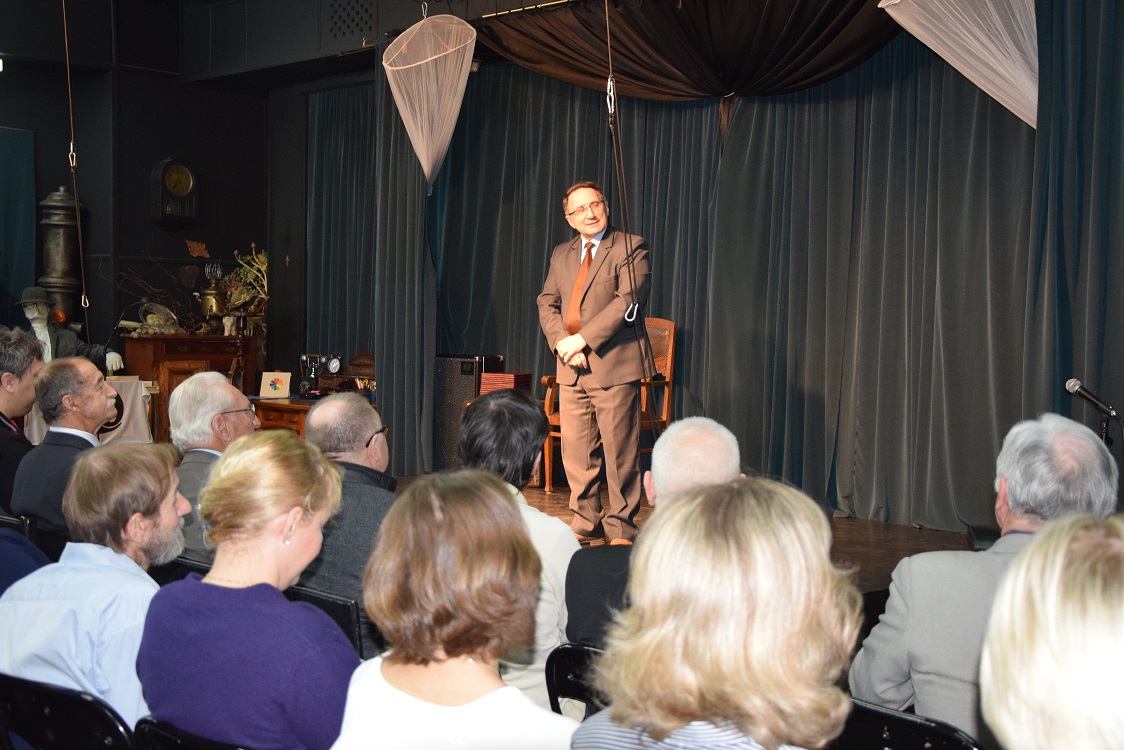 29 stycznia pracownicy Instytutu zebrali się na sali teatralnej w teatrze GO, aby zainaugurować jubileuszowy rok Instytutu Fizyki Plazmy i Laserowej Mikrosyntezy. 40 lat temu, a dokładniej 1 stycznia 1976 roku, w wyniku wyłączenia z Wojskowej Akademii Technicznej w Warszawie czterech zespołów badawczych, powstał IFPiLM.
W celu uświetnienia tak ważnej dla Instytutu rocznicy, w ciągu roku będą się ukazywały jubileuszowe wydawnictwa, wydarzenia towarzyszące oraz wydarzenia integracyjne, a najważniejszym i największym z nich będzie oficjalna uroczystość zaplanowana na 16 września 2016 roku na Zamku Królewskim w Warszawie.


nsp_133.JPG)


nsp_133.JPG)


 |
 |
 |
 |
 |
 |
 |
 |
Media


Research projects carried out at the IPPLM are funded by the Polish Ministry of Education and Science, the National Science Centre and by the European Commission within the framework of EUROfusion Consortium under grant agreement No 101052200. Financial support comes also from the International Atomic Energy Agency, European Space Agency and LaserLab Consortium as well as from the Fusion for Energy Agency.