



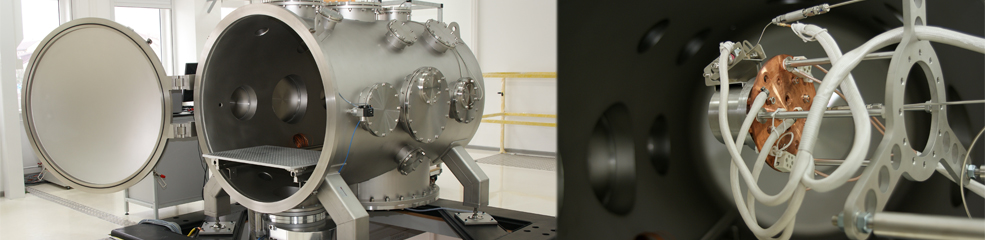


From 5 to 9 October 2026, researchers from the Institute of Plasma Physics and Laser Microfusion (IPPLM) took part in the 4th JT-60SA Experiment Team Workshop, held at the Naka site of the National Institutes for Quantum Science and Technology (QST) in Japan. The meeting focused on preparations for the next experimental campaign (OP2) on the world's largest tokamak.
A total of 23 experiments covering a broad range of scientific and technical topics have been selected for the OP2 campaign, which is scheduled to begin in March 2027. The research will address plasma heating and confinement, impurity transport and topics relevant to the operation of the ITER tokamak and future fusion reactors. During the October workshop, around 60 experts from Europe, Japan and the ITER Organization discussed the selected experiments and the next stages of preparations for the campaign.
IPPLM is actively involved in international research activities related to the JT-60SA tokamak. The Institute's contributions to date include the development of diagnostics for JT-60SA, neutronics research, transport simulations and studies of impurity behaviour in JT-60SA plasmas. IPPLM is also one of the institutions participating in the JT-60SA On-site Laboratory initiative. In preparing for the OP2 campaign, IPPLM researchers are drawing on experience gained during previous experimental campaigns, including those conducted on the JET tokamak.
 |
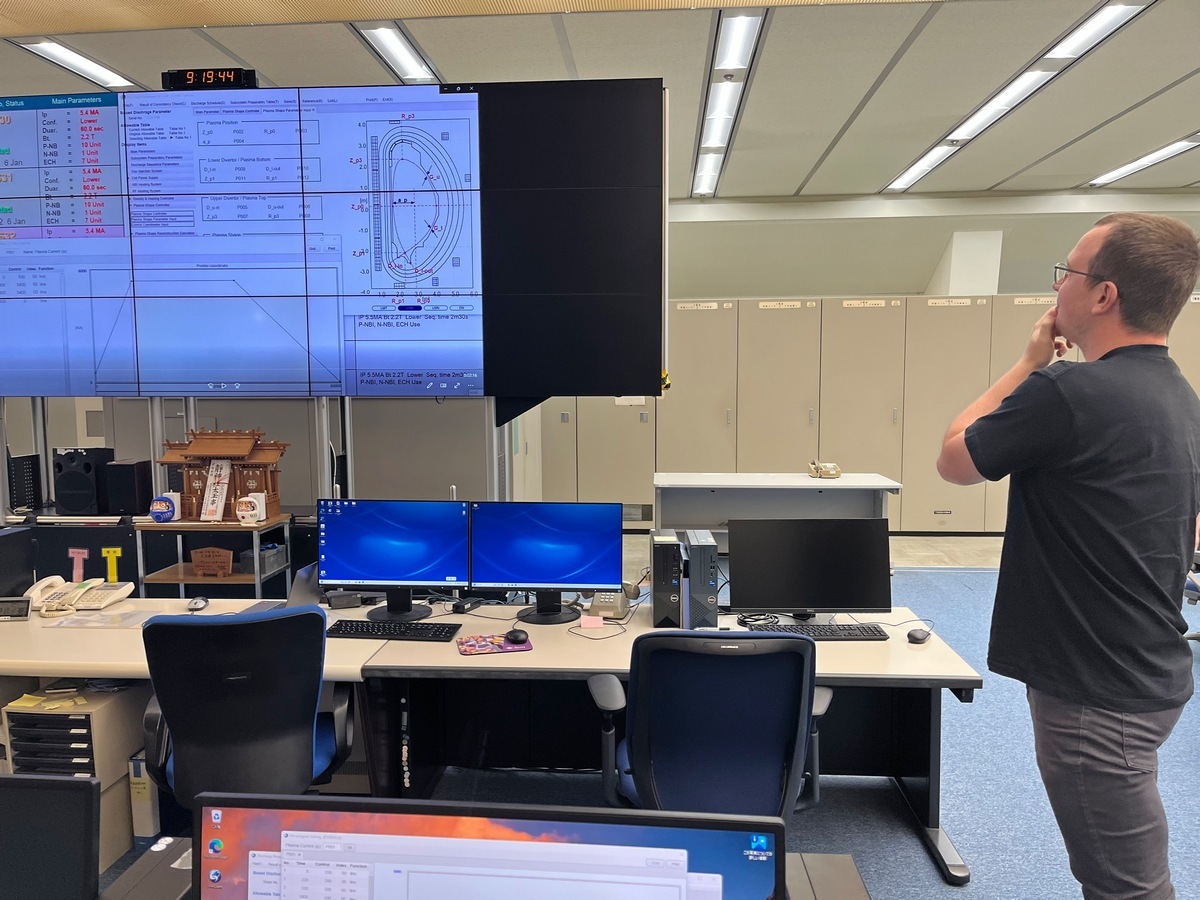 |
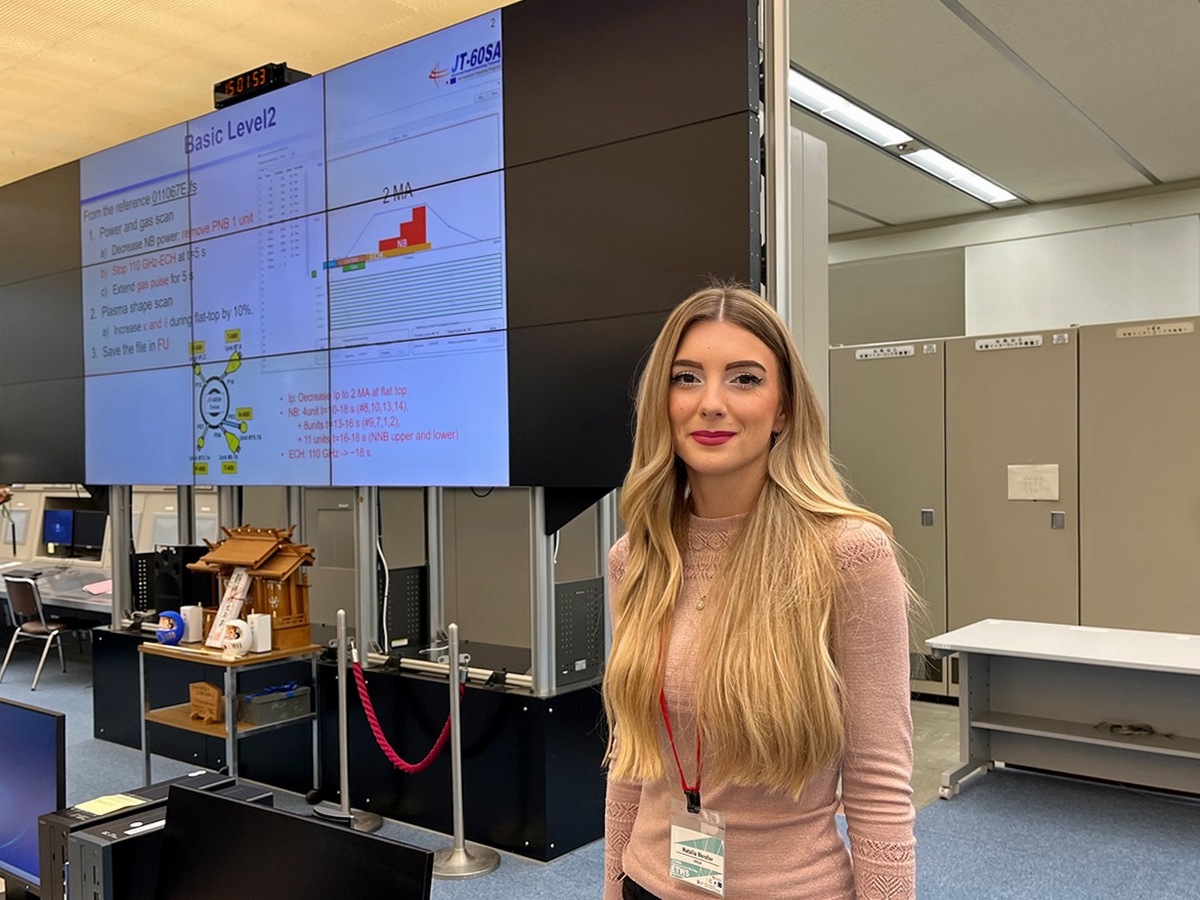
| Photo: Dr Natalia Wendler and Wojciech Gromelski during the October workshop in Japan. © IPPLM | |
IPPLM representatives share their perspectives on the importance of Poland's participation in the JT-60SA programme and the ongoing preparations for the OP2 campaign.
Dr hab. Agata Chomiczewska, Deputy Director for Scientific Affairs at IPPLM
"Poland, through the Institute of Plasma Physics and Laser Microfusion and other national research institutions, is actively involved in the international research programme conducted at the JT-60SA tokamak in Japan. Polish scientists form one of the largest international research groups involved in the JT-60SA programme, contributing to both experimental plasma research and advanced theoretical studies and modelling. This involvement strengthens Poland’s position in the European and global fusion research community and contributes to the development of national scientific and technological expertise essential for the future of fusion energy."
Dr Natalia Wendler, Head of the Laboratory of Plasma Research with Spectroscopic Methods
"We are pleased to contribute our expertise and experience, gained through experimental campaigns on leading tokamaks, including JET, to the JT-60SA OP2 research programme. Our aim is to actively support research in the areas of plasma diagnostics and impurity analysis, while sharing our knowledge and expertise with international research teams. Through this collaboration, we hope to contribute to joint scientific activities and help address key research challenges on the path towards the successful development and operation of ITER."
Wojciech Gromelski, Laboratory of Plasma Research with Spectroscopic Methods
"Our collaboration with our Japanese partners has been extremely fruitful. With their support, we are developing novel tools that enable efficient processing and analysis of large datasets generated by SXR diagnostics. This aspect will be critical for assessment of the impurity level during high performance shots on JT-60SA, which very well translates to what we expect on ITER."
Source: EUROfusion, IPPLM


