



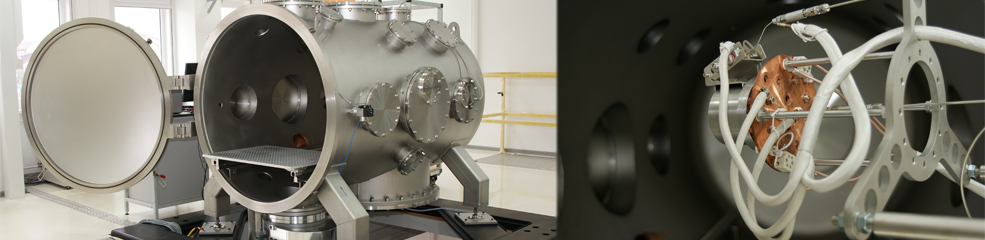


Solar energy is a potential resource for power. But how about having a mini Sun right here on Earth?
Built at Hydro Quebec's Research Institute facility in Varennes, Que. and operational from 1987 to 1997, the Tokamak Fusion Reactor was an attempt at just that.
This week's video explains the science behind this reactor. Unlike modern nuclear reactors that produce energy through fission — splitting large particles into smaller ones — the Tokamak tried to do the opposite. It used fusion, which has the potential to produce nearly limitless, non-polluting energy. In fact, people may not realize it, but they witness the power of fusion everyday by walking in sunlight.
Source: Canadian Geographic


nsp_133.JPG)


nsp_133.JPG)


